

The Psychology Behind Casino Game Addiction
The allure of casino games is deeply rooted in psychological factors that keep players engaged and returning for more. One primary element is the thrill of uncertainty and risk. The human brain is naturally inclined to seek excitement and reward, and games that feature unpredictable outcomes can elicit strong emotional responses. For instance, many enthusiasts explore australia online casino options that heighten their chances of rewarding experiences. When players encounter the possibility of a win, their brain rewards them with dopamine, a neurotransmitter that enhances feelings of pleasure. This biochemical reaction reinforces the desire to play, creating a cycle that can lead to addiction.
Additionally, the design of casino games incorporates principles of behavioral conditioning. Players often experience “near misses”—moments when they come close to winning but ultimately lose. This phenomenon can create a cognitive bias, leading players to believe that success is just around the corner. Such thinking encourages them to continue playing in hopes of that elusive win. The cycle of anticipation and reward can easily trap players, making it difficult to walk away from the game.
Moreover, the social environment of casinos can significantly amplify the addictive nature of these games. The vibrant atmosphere, filled with energy and excitement, encourages interaction among players. Sharing wins and losses with others fosters a sense of community that can deepen emotional investment in the games. This social aspect can make it challenging for individuals to step away, even when they recognize the need to take a break.
The Role of Game Mechanics
The mechanics of casino games are intricately designed to maximize player engagement and retention. Slot machines, for example, utilize random number generators to create unpredictable outcomes, captivating players with the thrill of chance. As players spin the reels, the flashing lights and escalating sounds heighten the excitement, creating a sensory experience that is hard to resist. These carefully crafted mechanics are not merely random; they are intended to keep players engrossed, often causing them to lose track of time as they chase the next big win.
Many casino games also incorporate a concept known as variable rewards. Unlike fixed rewards, where players know exactly what they will receive, variable rewards offer a mix of wins and losses that maintain excitement. This unpredictability can heighten anticipation, as players feel the thrill of potential rewards at any moment. For instance, a player may win a modest prize after several spins, only to hit a losing streak afterward. Yet, the memory of that win serves as a powerful motivator, compelling them to continue playing in hopes of replication.
Additionally, features like bonus rounds and progressive jackpots further enhance the addictive nature of game mechanics. These elements create a false sense of hope and excitement, as players believe they are on the verge of a significant win. The allure of larger payouts often leads players to invest more time and money, making it easy to become engrossed in gameplay. This combination of mechanics keeps players coming back, even when they are aware of the risks involved.
The Impact of Sound and Visuals
The sensory experience created by sound and visuals in casino games plays a critical role in their addictive nature. The combination of vibrant colors, dynamic animations, and immersive sound effects creates an engaging atmosphere that captures players’ attention. For example, when a player wins, the celebratory sounds of bells and cheers amplify the sense of accomplishment, leading them to crave more of this sensory stimulation. This rich audio-visual environment is purposefully designed to keep players engaged, as it evokes strong emotional reactions.
This immersive experience is engineered to elicit specific emotions. Triumphant music upon winning can instill feelings of joy, while suspenseful sounds preceding a potential win build tension and excitement. These auditory cues are essential in maintaining player engagement, offering an emotional rollercoaster that is hard to resist. Consequently, players often return to experience these emotional highs, reinforcing their addiction to gameplay.
Furthermore, themed games add to the allure of casino gaming by tapping into players’ imaginations. From historical themes to fantastical realms, these narratives enhance gameplay, making it more enjoyable and memorable. The integration of storytelling elements provides context that deepens players’ emotional connection to the game. This desire to continue an embedded narrative encourages ongoing engagement, often leading to prolonged gaming sessions, as players seek to explore and complete their gaming journey.
The Influence of Marketing and Promotion
Marketing strategies employed by casinos are pivotal in fostering addiction among players. Promotions such as welcome bonuses, free spins, and loyalty programs create an enticing atmosphere that encourages new players to explore various games. These incentives can entice individuals to engage in more gaming than they initially intended, as they often feel driven to take advantage of these offers before they expire. This urgency can propel players into a cycle of continuous play, amplifying the potential for addiction.
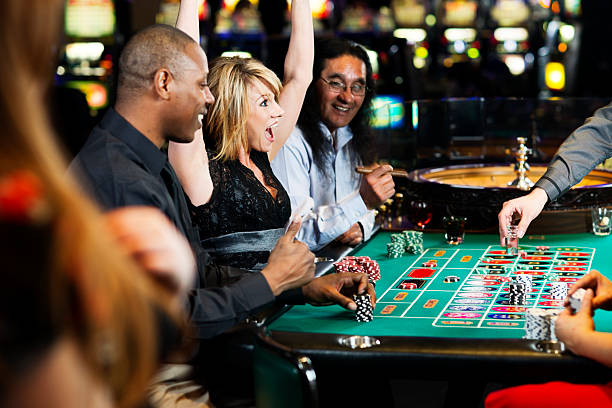
Moreover, casinos frequently employ targeted advertising to attract players. This marketing reinforces the notion that success is just a few spins away, increasing the likelihood that individuals will succumb to the temptation of gambling. As players interact with both online platforms and physical casinos, they are often exposed to advertisements celebrating big wins and promoting the excitement of gameplay. Such marketing tactics can further entice players to participate, often leading to increased gaming frequency.
Additionally, casinos cultivate a sense of exclusivity through VIP programs and insider access, appealing to players’ desires for recognition and status. By creating an environment where players feel special and valued, casinos can deepen the emotional investment of their clientele, encouraging them to return for more. This blend of effective marketing, combined with the inherent psychological factors at play, establishes a compelling foundation for addiction that many find challenging to resist.
Understanding Responsible Gaming and Alternatives
Given the well-documented addictive nature of casino games, promoting responsible gaming practices is essential. Educating players about the risks associated with gambling can help mitigate some of the adverse effects linked to addiction. Casinos and gaming platforms are increasingly implementing self-exclusion programs and responsible gaming tools to assist players in managing their gameplay. For example, features that allow players to set deposit limits or take breaks empower individuals to maintain control over their gambling habits.
Furthermore, awareness campaigns that focus on the signs of gambling addiction are crucial for fostering responsible gaming. Players must recognize when their gaming habits may be shifting from entertainment to problematic behavior. Understanding the distinction between healthy gaming and addiction can help individuals make informed decisions regarding their playtime and spending. It is vital for players to remain attuned to their emotions and behaviors while engaging in casino games.
Lastly, exploring alternative forms of entertainment can be beneficial for those who find themselves struggling with the allure of casino games. Engaging in hobbies, sports, or other social activities can provide fulfilling experiences that do not involve the risks associated with gambling. By finding balance in leisure activities, players can enjoy the thrill of gaming without succumbing to addiction. Awareness and proactive measures can lead to healthier gaming habits and more enjoyable experiences overall.
Recent Comments